

W.I.C.K.E.D. – Wolbachia Infection: Corrupted Killers Effects on Drosophila suzukii
Description

Project winning the call Cariplo – Young Researchers 2024.
|
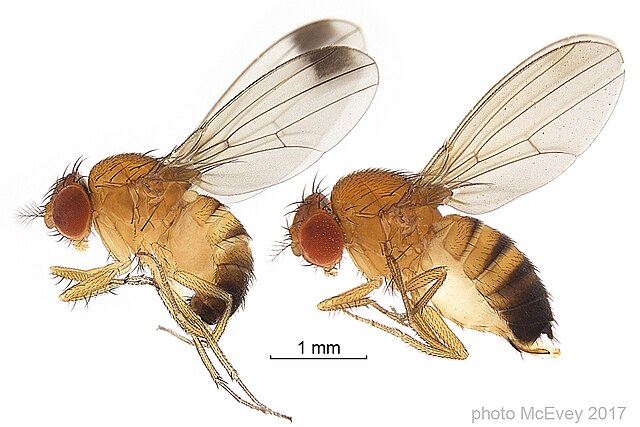
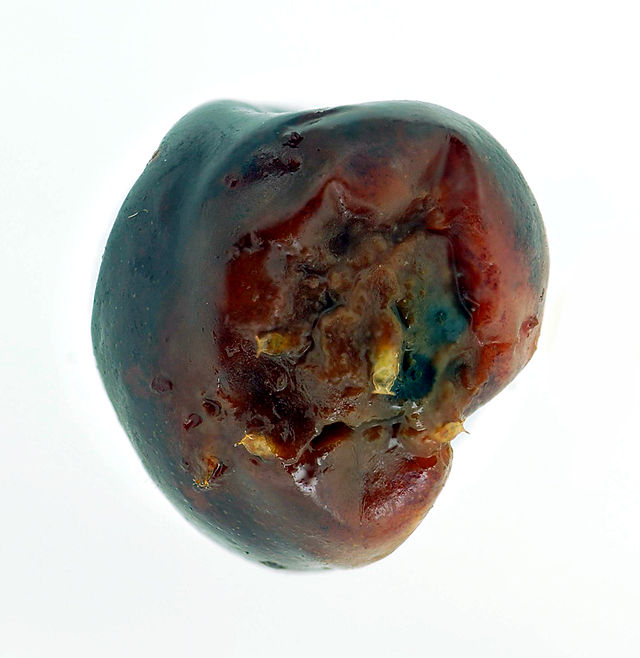
W.I.C.K.E.D. is a research project aimed at understanding why the wSuz strain of Wolbachia, a symbiotic bacterium found in the spotted-wing drosophila (Drosophila suzukii), is ineffective at manipulating its host’s reproduction, unlike what is commonly observed in many other insect species. Drosophila suzukii is an invasive agricultural pest native to Asia. Unlike other fruit flies, it lays its eggs inside ripe, intact soft fruits, such as cherries, strawberries, raspberries, and blueberries. The larvae feed on the fruit at a commercially viable stage, rendering it unmarketable and causing significant economic losses to the agricultural sector. |
 |
 |
Wolbachia are obligate intracellular symbiotic bacteria known for their ability to manipulate the reproduction of arthropod hosts to enhance their own spread. These manipulations, most notably cytoplasmic incompatibility (CI), enable Wolbachia to increase in frequency within host populations. The project’s name, “W.I.C.K.E.D.”, intentionally echoes the English word wicked, alluding to the bacterium’s strategically “selfish” behavior. In dipteran insects, CI typically occurs when infected males mate with uninfected females, resulting in no viable offspring. Since Wolbachia is transmitted maternally, this mechanism gives a reproductive advantage to infected females and promotes the symbiont’s spread through the host population. |
|
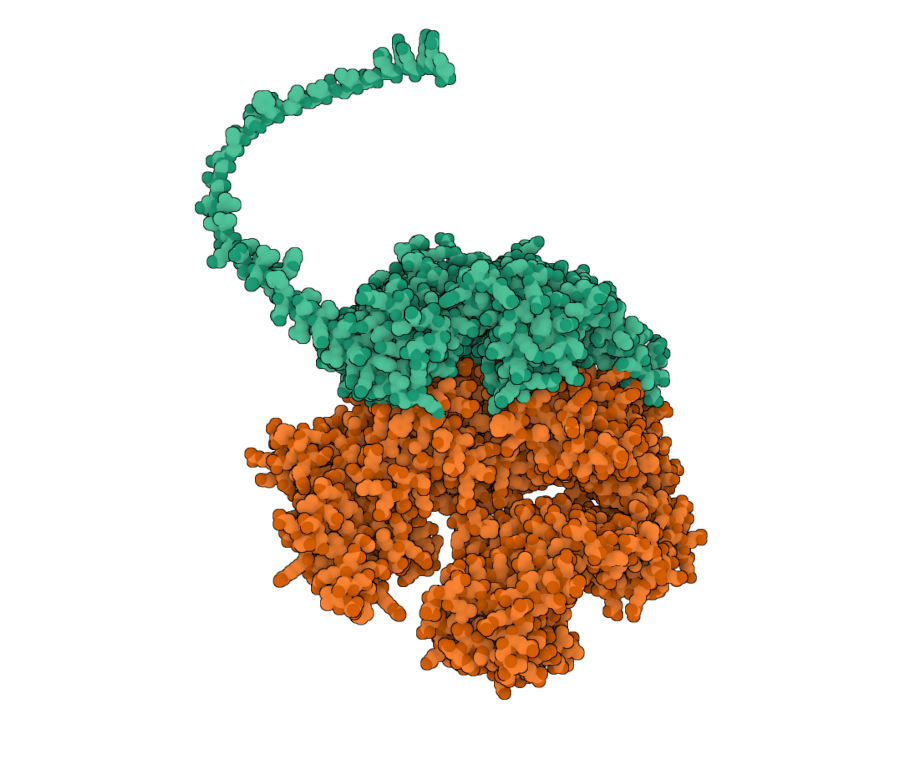
However, in D. suzukii, the wSuz strain fails to induce strong or consistent CI: infected males crossed with uninfected females still produce viable offspring. This phenomenon is the basis for the project’s subtitle, “Corrupted Killers”, referring to the malfunction of these microbial “assassins”. Despite this, wSuz remains widespread in natural populations of D. suzukii, suggesting the presence of other, yet unidentified, benefits that may explain its persistence. The W.I.C.K.E.D. project integrates molecular biology, laboratory rearing, field research, bioinformatics, and biostatistics to investigate the mechanisms behind the absence of CI in wSuz, and to identify any adaptive advantages this symbiont might confer to D. suzukii. |
 |
 |
Understanding how wSuz interacts with its host is crucial for assessing the potential of Wolbachia (including other strains) as a biocontrol tool. Currently, managing D. suzukii relies heavily on chemical pesticides, which have harmful side effects on beneficial insects and the environment. In some regions of Italy, the parasitoid Ganaspis brasiliensis has already been released and has shown promising results in controlling D. suzukii. However, its host specificity is not as strict as that of Wolbachia, which, as an intracellular symbiont, does not spread horizontally to non-target species. The use of Wolbachia, especially when combined with the Sterile Insect Technique (SIT)—the release of sterile males into the wild—could offer a highly effective, safe, and environmentally friendly strategy for reducing D. suzukii populations and mitigating crop damage. |
Collaborators: Fondazione Fojanini, prof. Maria Vittoria Mancini, prof. Francesco Lescai, prof. Anna Rodolfa Malacrida, prof. Giuliano Gasperi, prof. Federico Forneris